
Email Marketing for Cleaning Businesses: A Practical Guide to Repeat Bookings
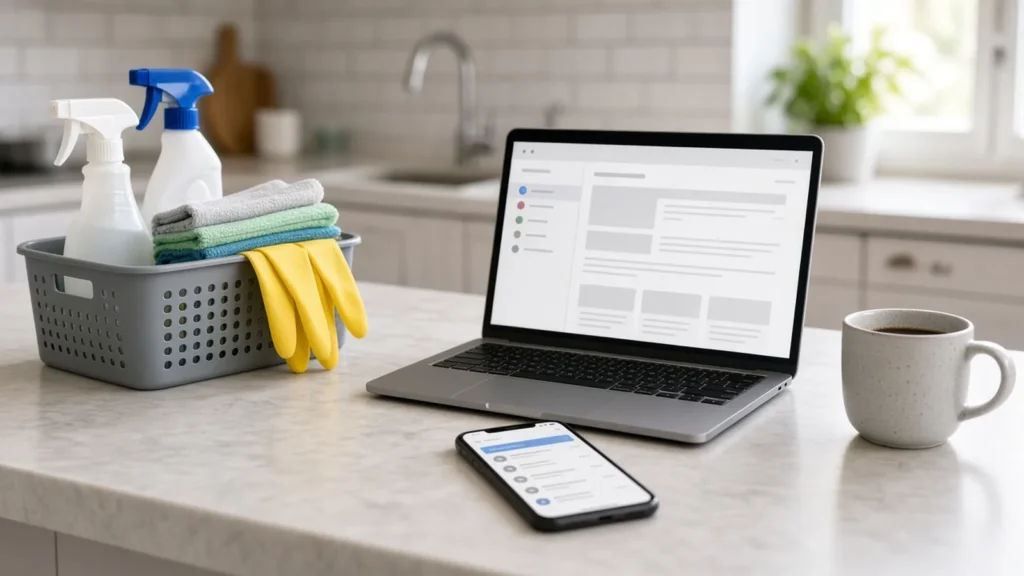
Email marketing for cleaning businesses works best when it follows the rhythm of the work itself: a first clean, a recurring schedule, seasonal deep cleans, and the occasional move-out job. Instead of blasting generic newsletters, a cleaning company can send a handful of well-timed emails that confirm bookings, ask for reviews, fill gaps in the calendar, and bring back clients who drifted away. This guide walks through the list you need, the emails worth automating, and how to pick a tool without overspending. Done well, email marketing for cleaning businesses is one of the lowest-cost ways to keep the calendar full.
Our pick
GoHighLevel
Email and SMS marketing, a CRM, booking calendars, and workflow automation in one account, so your client list, schedule, and follow-up emails live in the same place.
- Built-in email + SMS marketing and workflow automation
- CRM pipelines and booking calendars for quotes and recurring cleans
- 14-day free trial listed on the vendor’s pricing page (check current terms)
Affiliate link: we may earn a commission at no extra cost to you. Disclosure
Why email marketing for cleaning businesses works
Cleaning is a repeat-purchase service. A client who books a biweekly clean can stay with you for years, and a one-time deep-clean customer is a natural candidate for a recurring plan. Email is the cheapest way to stay in touch between visits without calling everyone by hand.
It also suits the way cleaning clients make decisions. Most people do not need a cleaner urgently every week. They think about it before a holiday, after a move, when spring arrives, or when the house gets away from them. A short, useful email that lands at those moments keeps your name in front of them when the need comes up.
What email will not do is replace a fast response to new leads. People requesting a quote usually expect a reply quickly, and that is often a call or text job. Treat email as the follow-up and retention layer that sits behind your phone and booking setup. That is why email marketing for cleaning businesses should support, not replace, your calls and texts.
Build a clean, permission-based client list
Your list is the asset. A small list of real clients who agreed to hear from you beats a big purchased list every time, and buying lists can hurt deliverability and break the rules of most email platforms.
Where cleaning companies collect emails
- Online booking and quote forms. Ask for an email on every request, with a clear checkbox or line saying you will send appointment updates and occasional offers.
- Your scheduling or CRM tool. If you already store client details in booking software, export them or connect the tool to your email platform instead of retyping.
- After the first clean. A short “thanks for choosing us” message is a natural place to confirm the client wants cleaning tips and seasonal offers.
- Your website. A simple sign-up for a seasonal checklist (for example, a move-out cleaning checklist) gives visitors a reason to join.
Tag clients so emails stay relevant
Segmenting sounds technical, but for a cleaner it can be a few tags:
- Service type: recurring residential, one-time deep clean, move-in/move-out, post-construction, commercial or office.
- Frequency: weekly, biweekly, monthly, one-time.
- Status: active, paused, lost (no booking in several months), lead that never booked.
- Area: neighborhood or zip code, useful if you want to fill a route on a slow day.
With those tags you can send a “spots open Thursday in the north side” note only to the people it applies to, and keep recurring clients from getting offers meant for new customers.
The core emails every cleaning business should automate
You do not need a weekly newsletter to get results from email marketing for cleaning businesses. Start with a few automated messages that run on their own once set up.
1. Booking confirmation and prep email
Send this as soon as a job is booked. Include the date and arrival window, what the client should do before you arrive (secure pets, clear counters, leave a key or code), what is and is not included in the service, and how to reschedule. A clear prep email cuts down on “what do I need to do?” calls and wasted time at the door.
2. Day-before reminder
A reminder the day before reduces lockouts and no-shows. Many teams send this by text as well, since texts tend to get noticed faster, but an email version gives the client the full details and your cancellation policy in writing.
3. Post-clean thank-you and review request
A few hours after the job, send a short thank-you with a direct link to your Google review page. Keep it to one ask. Ask the client to reply if anything was missed, so issues come to you before they turn into a public review.
4. One-time to recurring conversion
Deep-clean and move-out clients are your best upgrade prospects. A week or two after the job, send an email explaining how recurring service works with you: frequency options, whether the same cleaner or team comes each visit, and how to book. If you offer a first-recurring-visit discount, say so plainly and state the terms.
5. Win-back email for lapsed clients
Clients pause for many reasons: budget, a move, a bad visit, or simply forgetting to rebook. A friendly check-in after a set period of no bookings, with an easy rebooking link, brings some of them back. If you tag “lost” clients in your CRM, this can trigger automatically.
6. New-lead follow-up sequence
Some people request a quote and never book. A short series (for example, a reply with the quote, a follow-up a few days later answering common questions about supplies, insurance, and trust, and a final check-in) recovers some of those leads without you chasing each one by phone.
Seasonal email campaigns for cleaners
Beyond automations, plan a few one-off campaigns around the times people think about cleaning:
- Spring cleaning: promote deep cleans, window tracks, baseboards, and inside-appliance add-ons.
- Before major holidays: remind clients to book pre-guest cleans early, since those dates fill.
- Moving season: target past move-out clients and local realtors or property managers who have agreed to hear from you.
- Back-to-school: a reset clean once the household routine changes.
- Schedule gaps: when a cancellation opens a slot, a quick email to the right area tag can fill it.
Keep each campaign to one offer and one button. A cleaning client reading on a phone between errands will not scroll through five promotions.
What to write: practical email content ideas
Content that helps clients between visits builds trust and keeps unsubscribes low. Ideas that suit a cleaning company:
- How to keep a kitchen tidy between professional cleans.
- Which surfaces should not get certain products (for example, natural stone and acidic cleaners), framed as general care tips rather than guarantees.
- What your team brings versus what the client provides.
- Introducing a new team member or explaining your vetting and training process.
- Policy updates, such as holiday schedules or changes to cancellation terms.
Write like you talk to clients at the door. Short paragraphs, a friendly subject line, and your business name in the “from” field so people recognize it.
Choosing email marketing software for a cleaning company
The right tool depends on what you already use. Ask these questions before signing up:
- Does it connect to your booking or CRM data? Automations only work if the tool knows when a job was booked or completed.
- Can it send texts too? Reminders often work better by SMS. Some platforms include both channels, while others sell SMS separately or not at all.
- How is it priced? Many email tools charge by contact count, so costs rise as your list grows. All-in-one platforms tend to charge a flat monthly fee with usage charges for sending. Check current pricing on each vendor’s site.
- How easy are the automations? If you cannot build a review-request flow in an afternoon, you probably will not maintain it.
Standalone email tools vs. an all-in-one platform
Standalone tools such as Mailchimp and Constant Contact are well known and straightforward for newsletters and campaigns. Mailchimp lists a basic Free plan and a trial of its Standard plan, while Constant Contact is a paid platform with a free trial and plans priced by contact count. They work well if your booking system can sync contacts to them.
All-in-one platforms such as GoHighLevel combine a CRM, booking calendars, email and SMS marketing, and automation. That suits a cleaning company that wants one place for leads, schedules, and follow-up, though it takes more setup and costs more than a basic email plan. If you are still deciding how your stack fits together, our guide on booking software vs. a CRM explains which tool should own your client records. For a deeper look at the platform itself, see GoHighLevel for service businesses.
Solo cleaners who are just getting organized may want to sort out scheduling first. Our guide to booking software for solo cleaners covers how to set up a calendar that can later feed your email list.
Deliverability and compliance basics
Good emails are useless if they land in spam. A few habits help:
- Send from your own domain (for example, hello@yourcleaningco.com) rather than a free webmail address, and complete the domain authentication steps your email platform walks you through.
- Only email people who gave permission and make unsubscribing easy. In the U.S., the CAN-SPAM Act requires an unsubscribe option and a physical mailing address in commercial emails. Check the rules that apply where you operate.
- Clean your list. Remove addresses that bounce and people who have not opened anything in a long time.
- Be careful with texts. SMS marketing has its own consent rules, which are generally stricter than email. Get explicit consent before sending promotional texts.
A simple 30-day plan to get started
- Week 1: Export client emails from your booking tool, phone, and invoices. Tag each client by service type and status.
- Week 2: Pick a tool and set up domain authentication. Build the booking confirmation and post-clean review request emails.
- Week 3: Add the one-time-to-recurring email and a win-back email for lapsed clients.
- Week 4: Send one seasonal campaign to the right segment. Note bookings, replies, and unsubscribes, and adjust.
After that, review your automations every few months. Update prices, policies, and links so old emails do not promise things you no longer offer.
Put your client follow-up on autopilot
GoHighLevel combines email and SMS marketing with a CRM and booking calendars, so confirmations, review requests, and win-back emails can run from the same client record. Start the free trial, build one automation, and check current pricing and terms before you commit.
Affiliate link. Disclosure
FAQ: email marketing for cleaning businesses
How often should a cleaning company send marketing emails?
Automated emails (confirmations, reminders, review requests) go out when triggered by a booking. For promotional or seasonal campaigns, many small businesses start with about one a month and adjust based on unsubscribes and replies. Sending only when you have something useful to say matters more than a fixed schedule.
Is email or text better for cleaning clients?
They do different jobs. Texts suit time-sensitive messages like arrival windows and day-before reminders. Email is better for detailed prep instructions, policies, seasonal offers, and anything a client may want to find later. Many cleaning companies use both.
Can I email clients I have only texted or called?
Only if they gave you their email address and agreed to receive marketing messages. Transactional emails about a booked job are different from promotions. When in doubt, ask for permission at booking.
What is the most valuable email for a cleaning business?
For many cleaners it is the follow-up that turns a one-time deep clean into a recurring service, along with the post-clean review request. Both are simple to automate and tie directly to repeat revenue and local reputation.
Do I need a separate email tool if I already have booking software?
Not always. Some booking tools send confirmations and reminders but not marketing campaigns. Check what yours includes. If it lacks campaigns or automation, either connect a dedicated email tool or consider an all-in-one platform that handles both.
Sources and editorial approach
Product information checked November 1, 2026. This is a research-based guide, not a hands-on test, and not legal advice. Plans, prices, and features change, so verify current pricing and terms with each provider before signing up.
- GoHighLevel pricing page (features, free trial)
- Mailchimp marketing pricing page
- Constant Contact pricing page
- FTC CAN-SPAM Act compliance guide
Ready to pick a platform? See our comparison of the best email marketing software for small service businesses.
Next: Browse more business growth guides →